Several factors determine what a slab leak detection visit costs: the size and layout of your home, how many plumbing lines need testing, which detection methods the situation requires, how accessible the suspect areas are, whether the visit is scheduled or an emergency call, and what happens if the first visit does not fully resolve the question. Time on site is the underlying driver — everything that adds testing time adds cost.
This guide explains each factor honestly, without invented price ranges — because any article quoting specific dollar figures for your home is guessing. What you can learn here is how to read a quote, which questions reveal a fair price, and how to avoid paying twice for the same diagnosis.
In This Article
Detection And Repair Are Two Different Bills
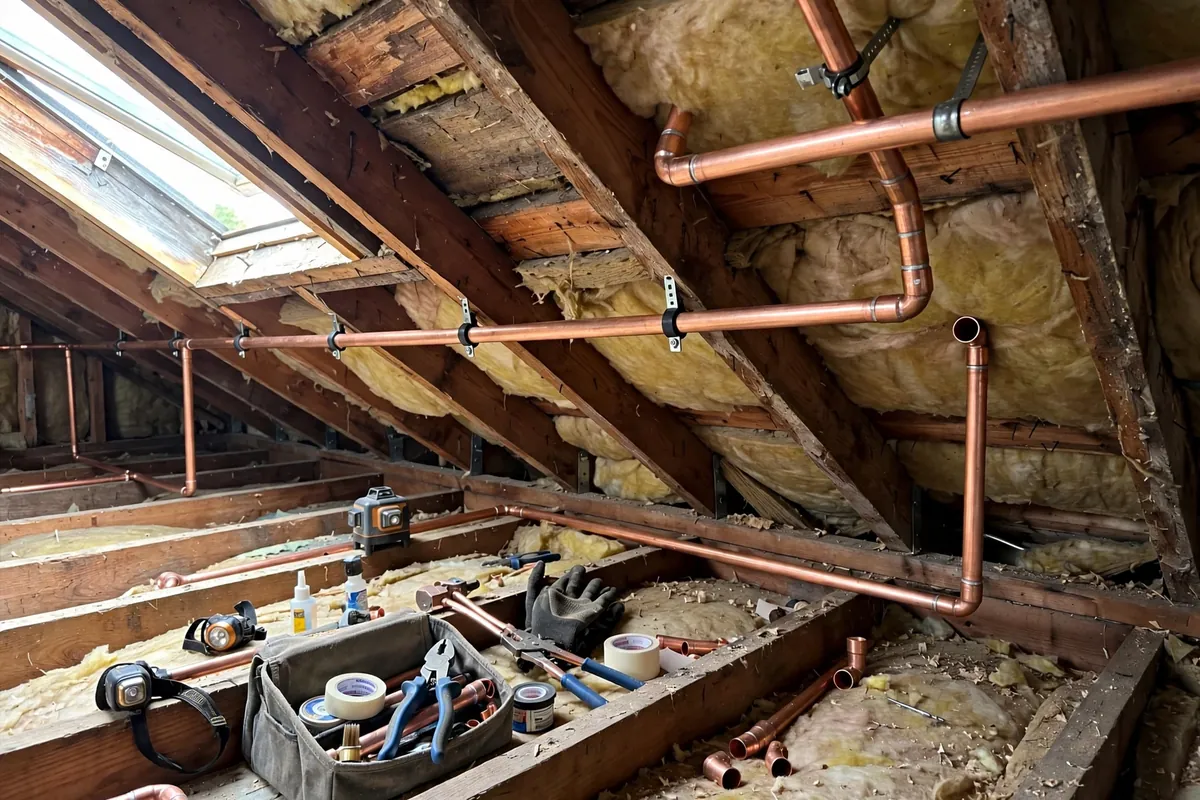
The first thing to get straight: detection (finding the leak) and repair (fixing it) are separate services with separate pricing. Detection is the diagnostic visit — meter confirmation, isolation testing, acoustic listening, thermal imaging, and marking the leak's position. Repair is the construction work that follows: opening the slab, replacing pipe, and restoring the floor.
Keeping them separate in your mind protects you twice. First, you can evaluate the detection quote on its own merits instead of letting it hide inside a repair estimate. Second, you keep the freedom to get the repair done by whoever earns it — though as the FAQs note, using the same company for both often makes economic sense when the detection fee credits toward the repair. Just make sure any credit arrangement is in writing before the first visit.
What Goes Into A Detection Visit
Understanding the work helps you understand the price. A thorough detection visit typically includes:
- Symptom interview and walkthrough. The technician learns what you have noticed — warm spots, sounds, unexplained bill changes — and inspects the suspect areas. Your observations shorten the search.
- Meter confirmation. Everything off, watch the meter. This proves a leak exists before any instruments come out.
- Line isolation and pressure testing. Hot side versus cold side, then individual branches. Each test takes setup time and narrows the field.
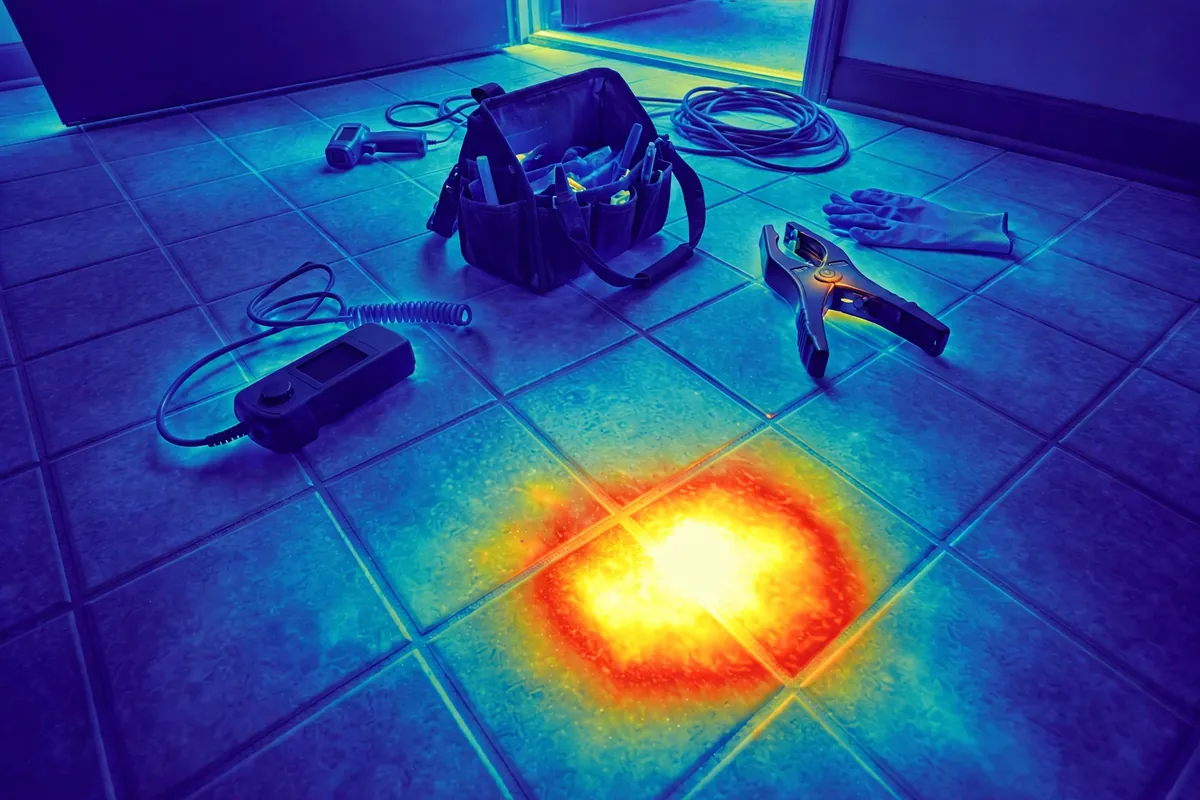
- Thermal scanning. A camera survey of suspect areas to map heat patterns — fast per room, but a large home has many rooms.
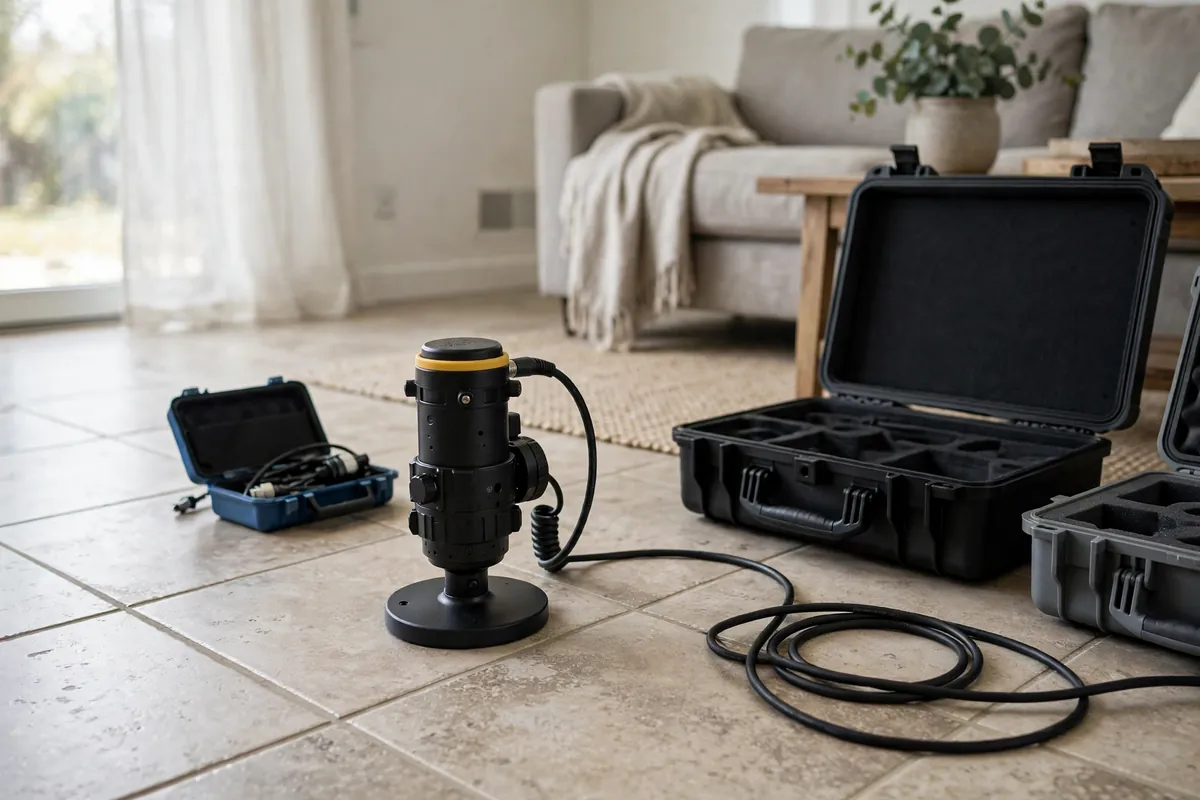
- Acoustic pinpointing. Sensor readings on a grid pattern, loudest point wins. Methodical and unhurried by design.
- Tracer gas if needed. For stubborn leaks, the setup and dwell time add to the visit.
- Documentation. Marked location, photos, and a written report you can hand to a repair contractor or insurer.
Each step consumes technician time and equipment use. A visit that skips steps is cheaper — and less reliable. When comparing quotes, ask which methods are included, not just what the total says.
Factors That Add Time To The Job
With time as the cost driver, these are the factors that extend a visit:
- Home size and layout. More bathrooms, more branches, more floor to scan. A sprawling ranch takes longer than a compact plan with the same symptom.
- Ambiguous symptoms. A clear hot spot focuses the search immediately. Vague signs — a slightly high bill, a faint sound — require testing the whole system methodically.
- Multiple suspect lines. If isolation testing flags more than one losing line, each gets the full treatment. Older plumbing with widespread corrosion is the usual reason.
- Difficult flooring. Thick carpet muffles acoustic signals; technicians work around it by listening at thresholds and pulling carpet corners, which takes longer than scanning bare tile.
- Background noise. Homes near busy roads or with unavoidable equipment hum slow acoustic work, sometimes pushing the visit toward thermal and tracer gas methods.
- Access problems. A meter buried under landscaping, a water heater blocked by storage, or suspect areas under heavy furniture all add setup time. (See the preparation checklist — clearing access before arrival genuinely saves money.)
- Emergency timing. After-hours and weekend dispatch carries a premium for overtime labor and immediate response.
Why Flat Quotes Are Hard To Give Sight Unseen
A company that has never seen your home cannot know which of the factors above apply. Any flat number quoted blind is either padded high enough to cover the worst case — meaning simple jobs overpay — or quoted low to win the call and adjusted upward on arrival, which is worse.
The honest alternative is a structured quote: a base diagnostic fee covering the standard method sequence, plus clearly stated conditions that would add to it (tracer gas deployment, additional lines tested, after-hours premium). That structure lets you compare companies apples-to-apples instead of comparing mystery numbers.
A detection quote far below everyone else's usually means skipped steps — no isolation testing, no documentation, a quick listen and a guess. A wrong location costs far more in unnecessary concrete work than a thorough diagnosis ever will.
How To Get A Clear Price Before Work Starts
You deserve to know what you are paying for before the first sensor touches the floor. Ask for:
- What methods are included in the quoted fee — meter test, isolation, thermal, acoustic, and under what conditions tracer gas would add cost.
- How the fee is structured — flat, hourly, or tiered — and what triggers each tier.
- What happens if the leak is not found — is there a reduced fee, a free follow-up, or a credit toward repair?
- Whether the fee credits toward repair if you hire the same company to fix the leak.
- What documentation you receive — marked location, photos, written report.
- Any after-hours or emergency premium, stated as a specific amount, not a vague surcharge.
Get the answers in writing — an email summary counts. Verbal assurances evaporate the moment there is a disagreement.
A detection visit should also end with a written report, not just a verbal assurance about the location. Ask for the marked leak location with photos, which lines were pressure-tested and the results, which methods were used, and any secondary concerns found along the way — a second weak line, high house pressure, or corrosion patterns worth watching. This documentation is what a repair contractor needs for an accurate repair quote, and it is what an insurer asks for if you file a claim. A company that will not put its findings in writing has sold you half a diagnosis. When you are ready to book, a slab leak detection appointment with clear written pricing is the economical path — definitive answers now, no surprises later.
Saving Money Without Cutting Corners
The legitimate ways to keep detection economical:
- Prepare the house. Clear access to the meter, water heater, and suspect areas before arrival. Every fifteen minutes of technician time spent moving storage is money spent on nothing.
- Document symptoms precisely. When the warm spot appeared, which rooms, what you hear and where — good information focuses the search and shortens the visit.
- Choose scheduled over emergency when safe. If no water is actively entering the home and the meter moves slowly, a next-day appointment avoids the after-hours premium.
- Ask about the repair credit. If the detection fee applies toward the repair, the combined project costs less than hiring separately.
- Do not skip detection to save money. This is the false economy that matters: opening concrete without a confirmed location risks multiple holes, and one wrong hole costs more than the most thorough diagnosis.
If you are seeing the signs of a slab leak, a scheduled detection visit with clear written pricing is the economical path — definitive answers now, no surprises later.