A spa is a small body of very hot water wrapped around a lot of plumbing, and that combination makes spa leaks both common and sneaky. The hot water evaporates faster than pool water, the plumbing has far more joints per gallon, and much of it is buried in foam or hidden behind access panels.
Spa leak detection follows the same principles as pool leak detection — confirm the loss, narrow the suspects, test each one — but the suspects and the access challenges are spa-specific. This guide explains what to expect before, during, and after a spa leak detection visit so there are no surprises.
In This Article
Why Spas Leak Differently Than Pools
It helps to understand what makes a spa a special case:
- More joints, less water. A spa can have dozens of jet fittings, each one a potential leak point, in a vessel that holds a few hundred gallons. A small drip matters more here than in a 15,000-gallon pool.
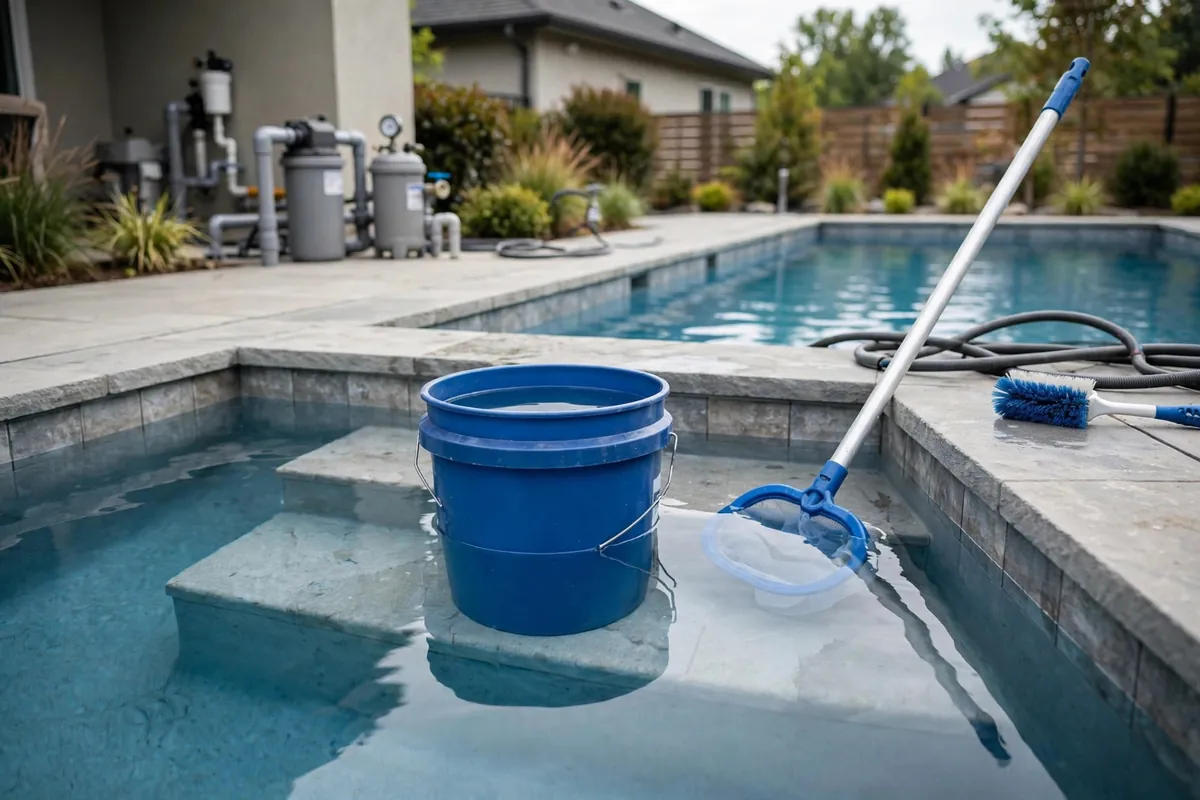
- Hot water evaporates fast. A spa kept at soaking temperature loses noticeably more to evaporation than a cool pool, which makes the "is it a leak?" question harder — and the bucket test principle even more useful.
- Shared equipment. Many spas share a pump, filter, and heater with the pool via a spillover. A leak in the shared equipment can drain the spa while the pool looks fine — which is why a pool leak check sometimes enters a spa diagnosis.
- Foam and cabinetry. Spray foam insulation hides plumbing completely, and wooden or synthetic cabinets limit access. Finding the leak often means deciding where to open things — carefully.
- Heat cycles stress fittings. Constant heating and cooling expands and contracts PVC joints and seals, working them loose over the years.
The Most Common Spa Leak Spots
Technicians check these in roughly this order, from easiest to hardest:
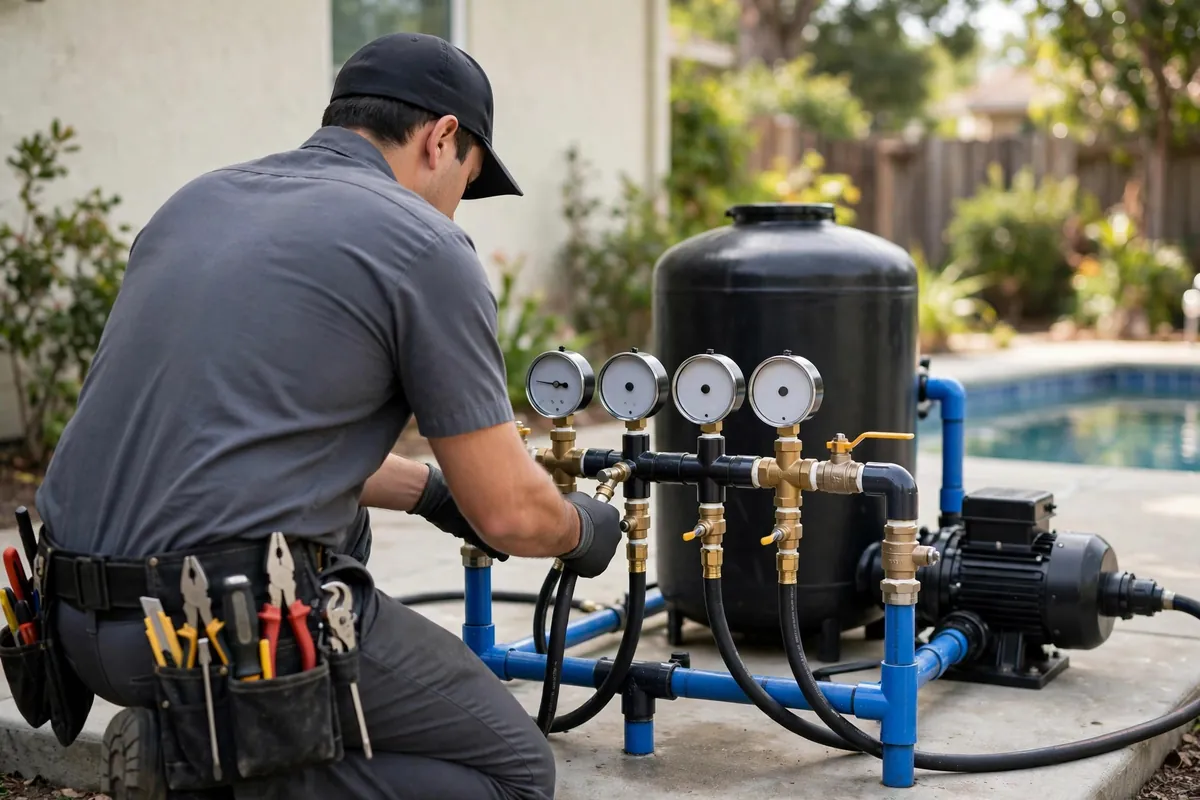
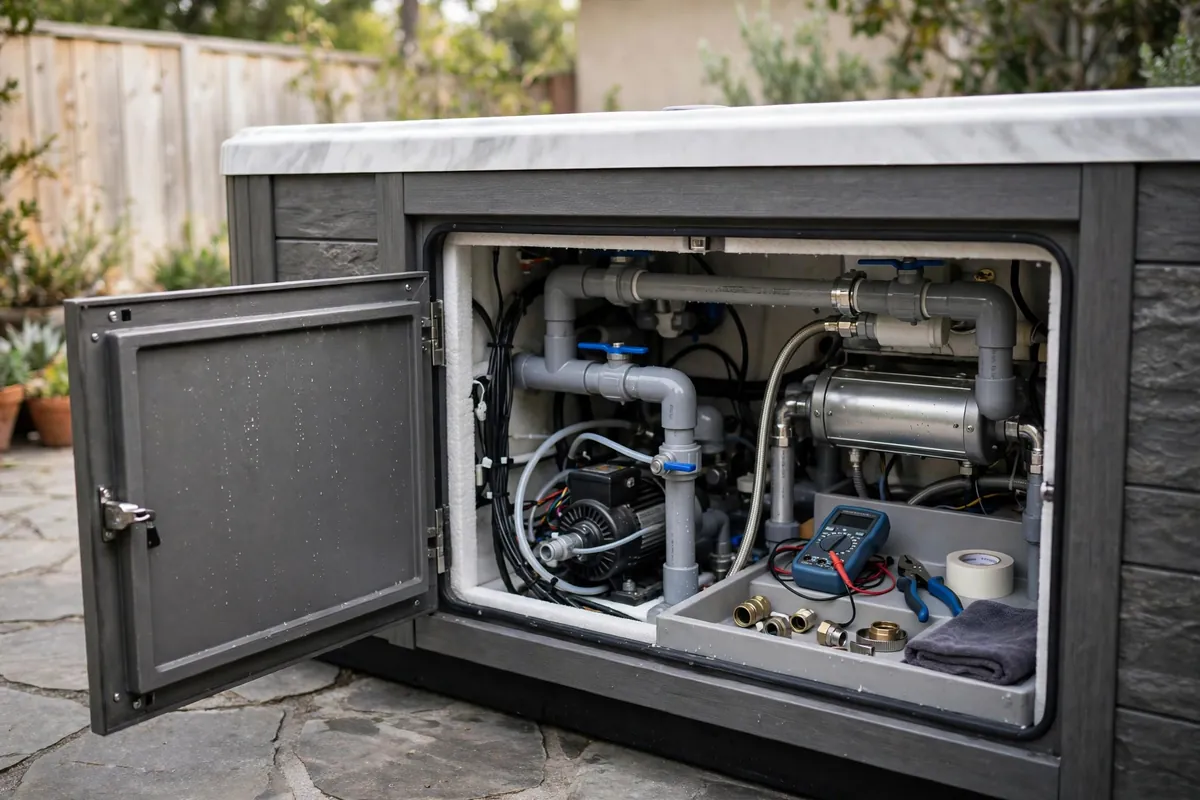
- Equipment unions and pump seals. The equipment pack — pump, heater, filter — sits in one accessible spot, and its union fittings and seals are the first thing checked. Drips here are easy to see and easy to fix.
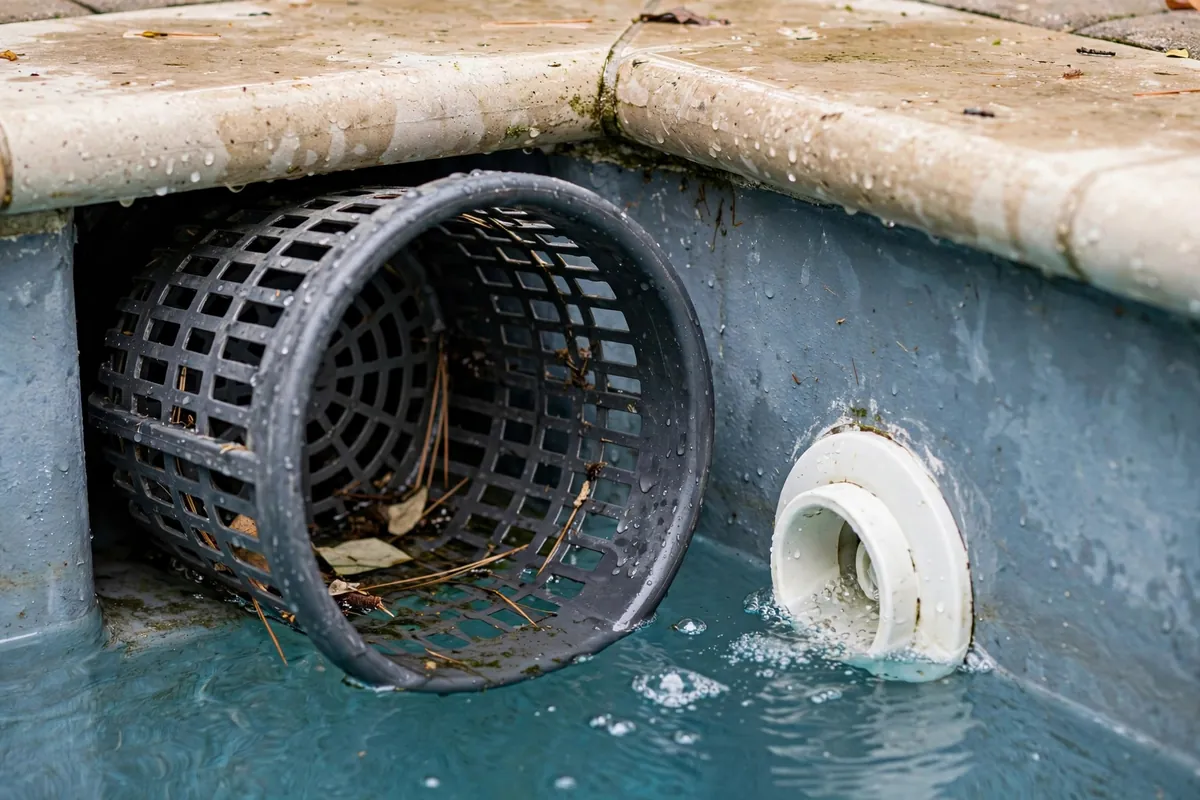
- Jet gaskets and fittings. Each jet passes through the shell with a gasket behind it. Aged gaskets weep steadily, and with dozens of jets, the total loss adds up.
- The heater. Heaters develop internal leaks that send water out the condensate or drain path. A heater that leaks only when firing is a classic pattern.
- Air blower and check valves. The air system that powers the bubbles has check valves that can fail and let water back into places it should not go.
- Shell cracks. Less common, but acrylic shells do crack — usually around fittings or where the shell flexes.
- Buried or foamed plumbing. The last resort: lines encased in foam or buried under the pad, found by pressure testing each line — the scenario a professional water leak detection visit handles with acoustic pinpointing.
If your spa shares equipment with a pool, mention it when you call — it changes the diagnostic plan.
What To Do Before Your Appointment
A little preparation makes the visit faster and more accurate:
- Note how fast the spa loses water (inches per day, roughly)
- Note whether it leaks with the equipment on, off, or both
- Keep the spa filled to its normal level — do not drain it
- Clear access to the equipment panel or cabinet doors
- Note any recent work done on the spa or pool equipment
- Have your pool/spa equipment manuals handy if you keep them
One important note: do not drain the spa before the visit. A technician needs water in the vessel to dye-test jets and fittings, and a drained spa cannot be tested at all.
What Happens During The Visit
A typical spa leak detection visit follows this sequence:
- Interview. The technician asks how fast the spa loses water, whether it leaks with the equipment on or off, and what you have already observed. Your notes from the checklist above answer most of this.
- Equipment inspection. The access panel comes off and every union, seal, valve, and connection in the equipment pack is checked under pressure. Many spa leaks are found right here.
- Water-level behavior. The technician notes the current level and may mark it, watching whether the loss pattern points to a particular depth — the same "where does it stop falling" logic used on pools.
- Dye testing. With the water still, dye is released around each jet, fitting, and suspect crack. If dye gets pulled in, that spot is leaking.
- Pressure testing. If the shell and jets test clean, each plumbing line is isolated and pressure-tested to find the one that will not hold — including lines hidden in foam.
- Report and options. You get a clear explanation of where the leak is, what repair involves, and what it means for the spa's use in the meantime.
Most spa leaks are found in a single visit. Foam-encased plumbing can take longer, because access has to be opened surgically rather than torn apart.
After The Leak Is Found
Finding the leak is the diagnosis; the repair is a separate decision. Common outcomes:
- Equipment seal or union. Usually a straightforward repair at the equipment pack — no digging, no shell work.
- Jet gasket. Often repairable from inside the spa without draining it fully, depending on the jet design.
- Heater leak. May mean a heater repair or replacement, which a technician can quote once the exact failure is identified.
- Foamed or buried line. The line is exposed at the leak point only, repaired, and re-insulated — not the whole run.
Until the repair, keep the spa filled to its normal level so the equipment stays protected, and ask the technician whether it is fine to keep using it. For spa leak detection in Leesburg, reach us any time at (352) 703-8206 — calls are answered day and night, and we usually arrive in 30–45 minutes. If the spa is losing water fast or the equipment is pulling air, our emergency spa leak service responds day and night.