A water line leak and a sewer line leak are fundamentally different problems. A water line carries pressurized clean water into your house — when it leaks, water escapes under pressure, the meter spins, and the bill climbs. A sewer line carries wastewater away by gravity — when it leaks, sewage seeps into the soil, odors rise, and drains may behave strangely. Telling them apart matters because the diagnostic tools, the repair methods, and the health precautions are completely different.
This guide teaches you to read the clues — smell, water behavior, meter readings, and drain symptoms — so you can describe the problem accurately and call the right help. When in doubt, the meter test described below settles the biggest question in five minutes.
In This Article
The Core Difference: Pressure Versus Gravity
Everything about telling these leaks apart flows from one physical fact. Water supply lines are pressurized: the street main pushes water through them at dozens of pounds per square inch, so a break sprays, hisses, erodes soil quickly, and registers on the water meter. Sewer lines run by gravity: wastewater flows downhill through them with no pressure behind it, so a break seeps, smells, and saturates soil slowly — and the water meter never notices.
This single distinction generates most of the diagnostic clues below. Pressurized leaks announce themselves through the meter and through forceful symptoms; gravity leaks announce themselves through smell and through drain behavior. Keep that frame in mind and the rest of the guide clicks into place.
Signs That Point To A Water Line
When the evidence includes pressure and meter movement, suspect the water side:
- The meter spins with everything off. This is the decisive test. A sewer leak cannot move the water meter — only pressurized supply water does that. Meter moving means water line, full stop.
- The water is clear and odorless. Supply water is treated and clean when it escapes. Pooled water with no smell, no discoloration, and no debris points to the supply side.
- The wet area grows quickly. Pressure drives volume. A water line break can saturate a large area in hours, while sewer seepage spreads slowly.
- You hear hissing. Pressurized escape vibrates the pipe audibly. Gravity seepage is silent.
- The water bill climbs. Every gallon that escapes a supply line passed through the meter first. Sewer leaks do not affect the bill.
- Water pressure drops indoors. A supply leak bleeds pressure before it reaches fixtures. Sewer problems never affect supply pressure.
If several of these check out, you are dealing with a water service line leak or another pressurized failure — and underground detection methods are the right next step.
Signs That Point To A Sewer Line
When the evidence involves smell and drains, suspect the sewer side:
- Sewage odor in the yard or home. The signature clue. Sewer gas smells like rotten eggs or sulfur, and a broken sewer line vents it into the soil and air.
- The wet area smells — or the soil looks dark and greasy. Wastewater carries organic matter that discolors and fouls soil in ways clean water never does.
- Drains behave strangely. Gurgling, slow drainage across multiple fixtures, or sewage backing up into tubs and floor drains indicates a sewer line problem, not a supply leak. Our guide to main line clogs versus sewer backups sorts out the drain-side symptoms.
- Lush, over-fertilized patches. Both leak types green up grass, but sewage acts as a potent fertilizer — exceptionally lush, fast-growing patches with a foul note suggest the sewer side.
- The meter does not move. Everything off, meter still — yet the yard is wet and smells. That combination exonerates the supply lines.
- Wetness appears after heavy water use. Sewer leaks worsen when the household drains a lot — laundry day, multiple showers — because more wastewater flows through the break. Supply leaks run constantly regardless of usage.
Side-By-Side Comparison
The clues at a glance:
| Clue | Water Line Leak | Sewer Line Leak |
|---|---|---|
| Water meter with everything off | Spins — water is escaping | Still — sewer leaks bypass the meter |
| Smell | None — clean treated water | Rotten-egg sulfur odor typical |
| Water appearance | Clear, clean | Discolored, may carry debris |
| How fast the wet area grows | Fast — pressure drives volume | Slow — gravity seepage |
| Sound | Hissing or rushing possible | Silent |
| Indoor water pressure | Often drops | Unaffected |
| Drain behavior | Normal | Gurgling, slow, or backing up |
| Water bill | Climbs | Unaffected |
| Worse after heavy drain use | No — runs constantly | Yes — more flow through the break |
No single clue is infallible — a deep sewer leak may barely smell, and a tiny supply leak may not move the meter visibly in a short test. But the pattern across several clues rarely lies.
Smell: The Strongest Single Clue
If this guide had to crown one diagnostic, it would be your nose. Sewer gas — hydrogen sulfide and methane from decomposing waste — has a rotten-egg sulfur smell that clean supply water never produces. A wet area that smells is a sewer problem until proven otherwise; a wet area with no smell after a day of observation leans strongly toward the water side.
Two cautions. First, smell fades with exposure — your nose adapts after a few minutes, so step away and return for a fresh read. Second, sewer gas in living spaces is a health concern, not just a nuisance: persistent indoor sewage odor deserves prompt professional attention, and you should ventilate the area while you wait.
One practical tip: test the smell early in the morning before the day’s heat and activity stir the air. Cool, still air holds odors close to the ground, making a faint sewer smell easier to confirm — or confidently rule out.
Why The Distinction Changes The Fix
Getting this right matters because the two repairs share almost nothing:
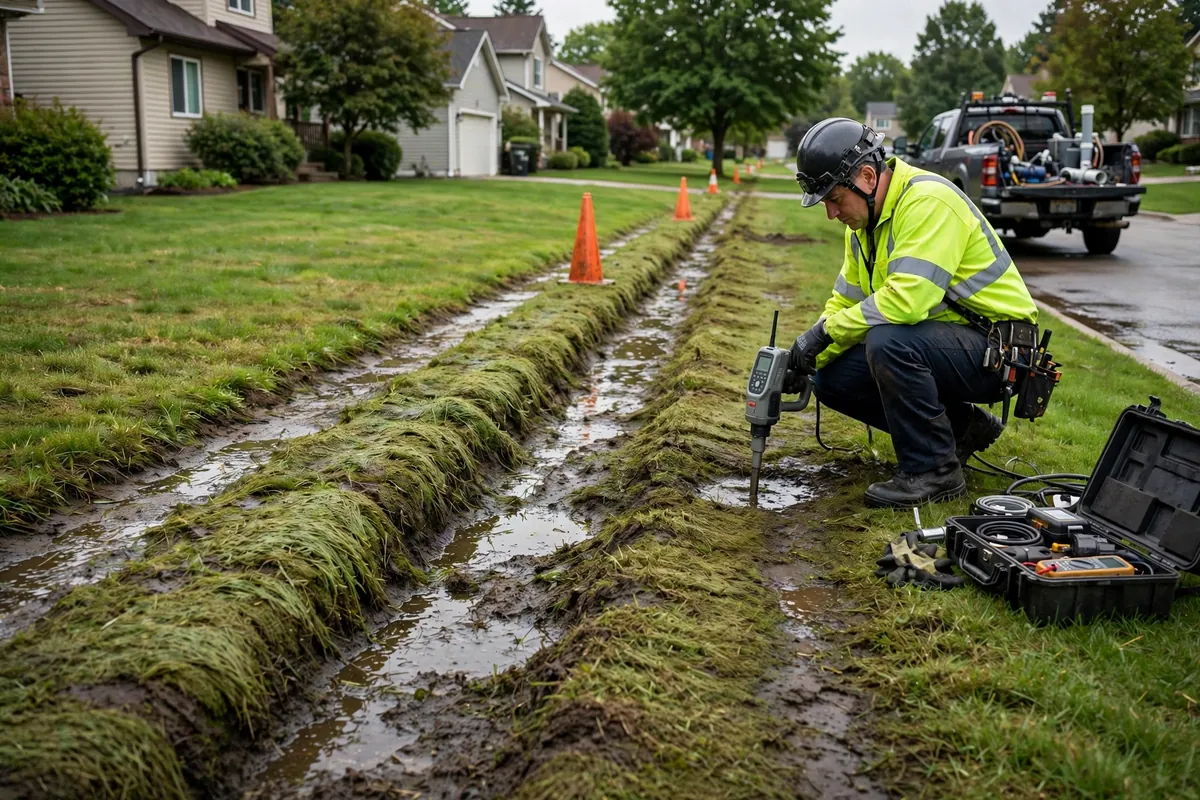
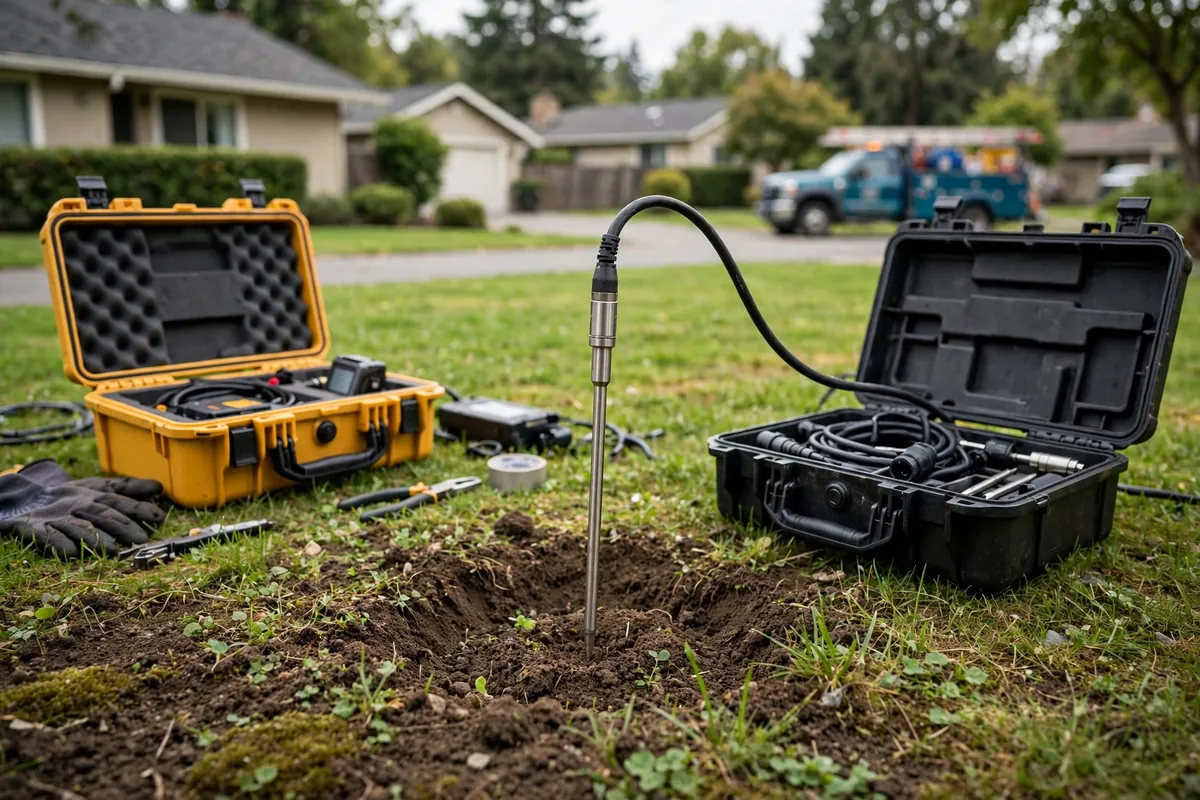
- Different diagnostics. Water lines are found with acoustic listening, pressure testing, and tracer gas. Sewer lines are inspected with camera equipment pushed through the pipe itself.
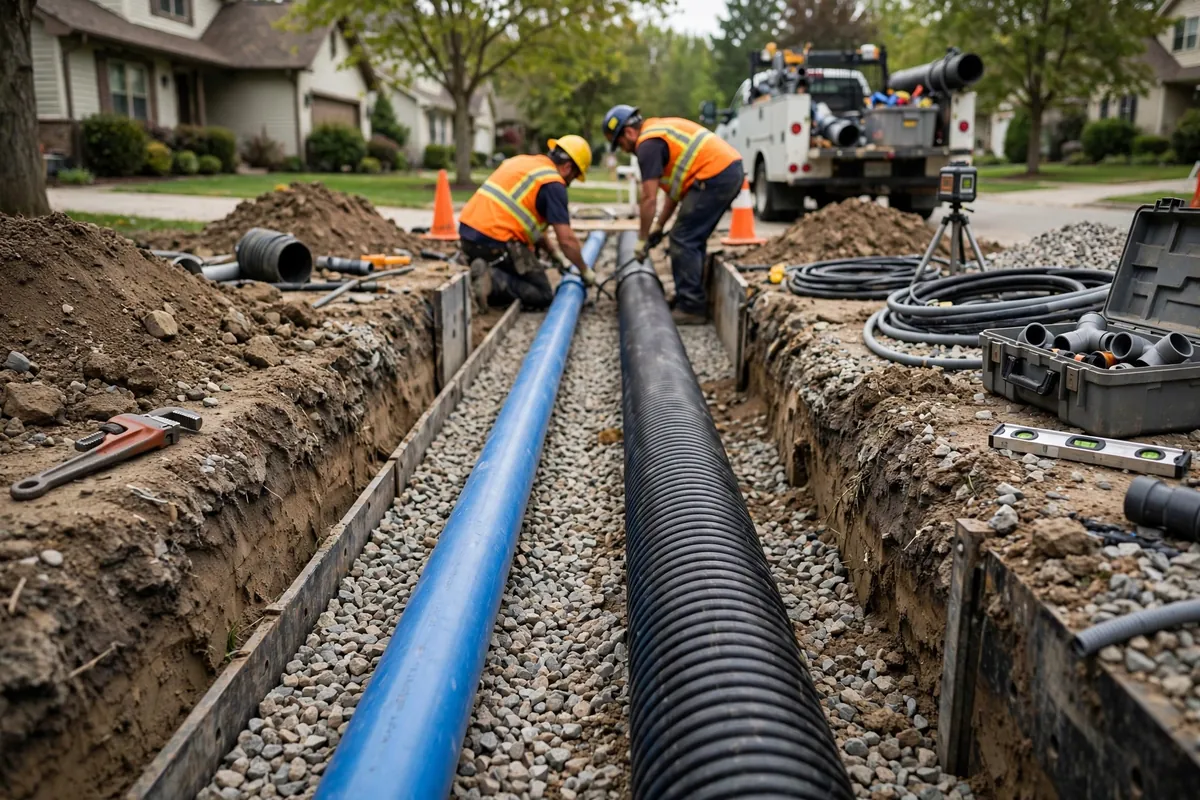
- Different repairs. A water line gets a section replacement or reroute. A sewer line may be a candidate for trenchless epoxy lining — a technology designed for gravity drains, not pressurized supply lines.
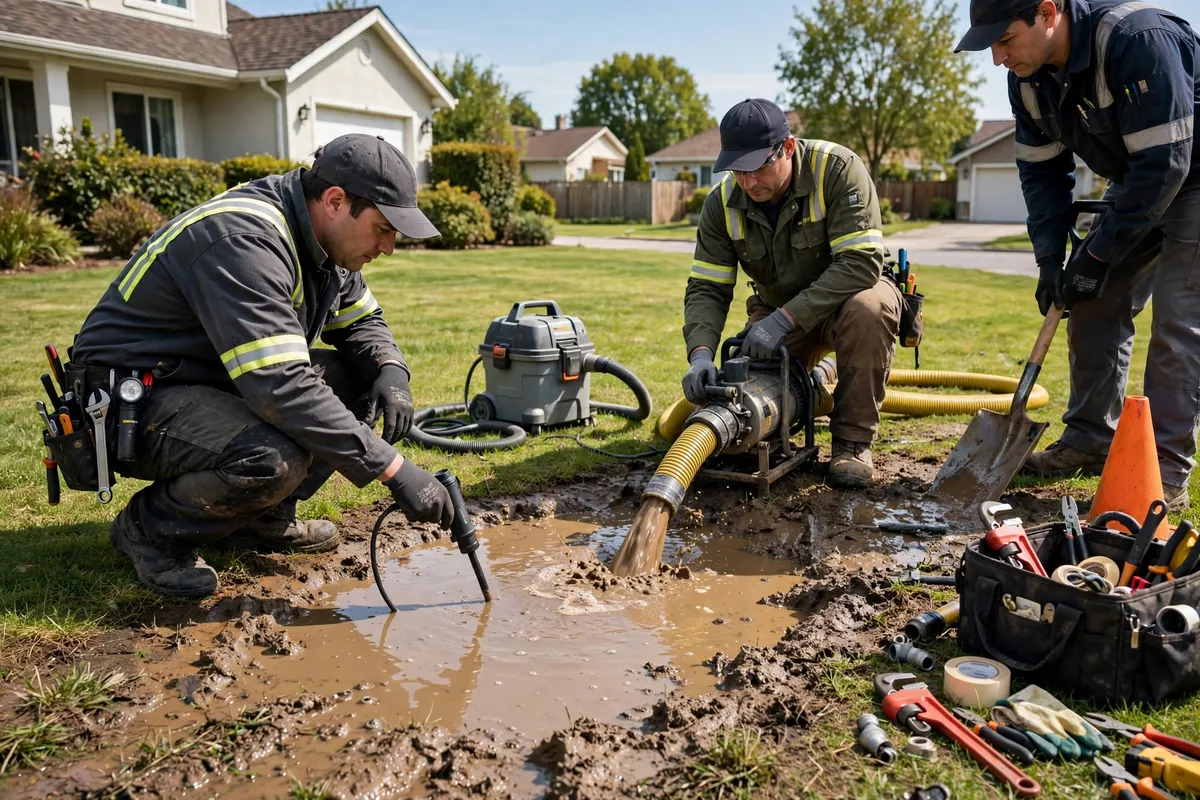
- Different precautions. Sewer work involves wastewater exposure and requires sanitation precautions. Supply work does not.
- Different urgency profiles. Sewer leaks raise health concerns; supply leaks raise erosion and billing concerns. Both need prompt action, but the reasons differ.
Calling the wrong specialist wastes the visit. Describing your clues accurately — meter behavior, smell, drain symptoms — gets you routed correctly on the first call.
What To Do When You Cannot Tell
Sometimes the clues conflict: a wet yard with a faint smell, a meter that barely moves, drains that seem fine. When that happens, work the decision tree in order:
- Run the long meter test. Everything off for an hour, photograph the meter at start and end. Any movement implicates the supply side.
- Check the smell fresh. Leave the area for ten minutes, return, and sniff deliberately at the wettest spot.
- Test the drains. Run several fixtures at once and watch for gurgling or slow drainage — sewer-side symptoms.
- Note the timing. Constant wetness regardless of household water use leans supply; wetness that worsens after heavy drain use leans sewer.
- Call a leak detection professional and report all of it. The diagnostic toolkit — meter testing, acoustic work, camera inspection — sorts mixed cases routinely. That is literally what the visit is for.
And the safety rules while you sort it out: do not let children or pets play in the wet area, do not dig, and if sewage odors are strong indoors, ventilate and call promptly. A professional leak evaluation resolves the ambiguity with instruments instead of guesses.