Opening a water bill that is double — or triple — what you expected is genuinely alarming. But a high bill is a solvable problem, and there is a right order for solving it: first make sure the bill is accurate, then check your home for the cause, then talk to the water utility, and finally bring in professional help if the cause is still hiding.
This guide lays out that sequence specifically for Leesburg homeowners, including what to ask the City of Leesburg's water department and how to document everything along the way. Follow it step by step and you will either find the cause yourself or hand a professional exactly what they need.
In This Article
Step 1: Read The Bill Before You Panic
Not every high bill reflects high usage. Start at the bill itself:
- Compare usage, not dollars. Look at the gallons or cubic feet billed, and compare against the previous three to six months. Rates and fees change; usage is the truth.
- Check the reading type. Bills sometimes note whether the reading was actual or estimated. An estimated reading after a missed read can inflate a bill artificially — the next actual reading corrects it, but you should not overpay in the meantime without asking.
- Look at the billing period. A longer-than-usual billing cycle (after a holiday or a schedule change) bills more days of normal use, which looks like a spike.
- Scan for new fees or rate changes. A new base charge, tier change, or surcharge raises the dollars without raising the usage.
- Check for previous balance. Make sure you are not looking at two months stacked together.
If the usage truly spiked, the water went somewhere — and the next steps find where. If the usage looks normal but the dollars jumped, your question is for the utility's billing department, not a leak detector.
Step 2: Run The Basic Home Checks
With a real usage spike confirmed, work through your property systematically, using our high water bill investigation checklist as a companion. This takes under an hour:
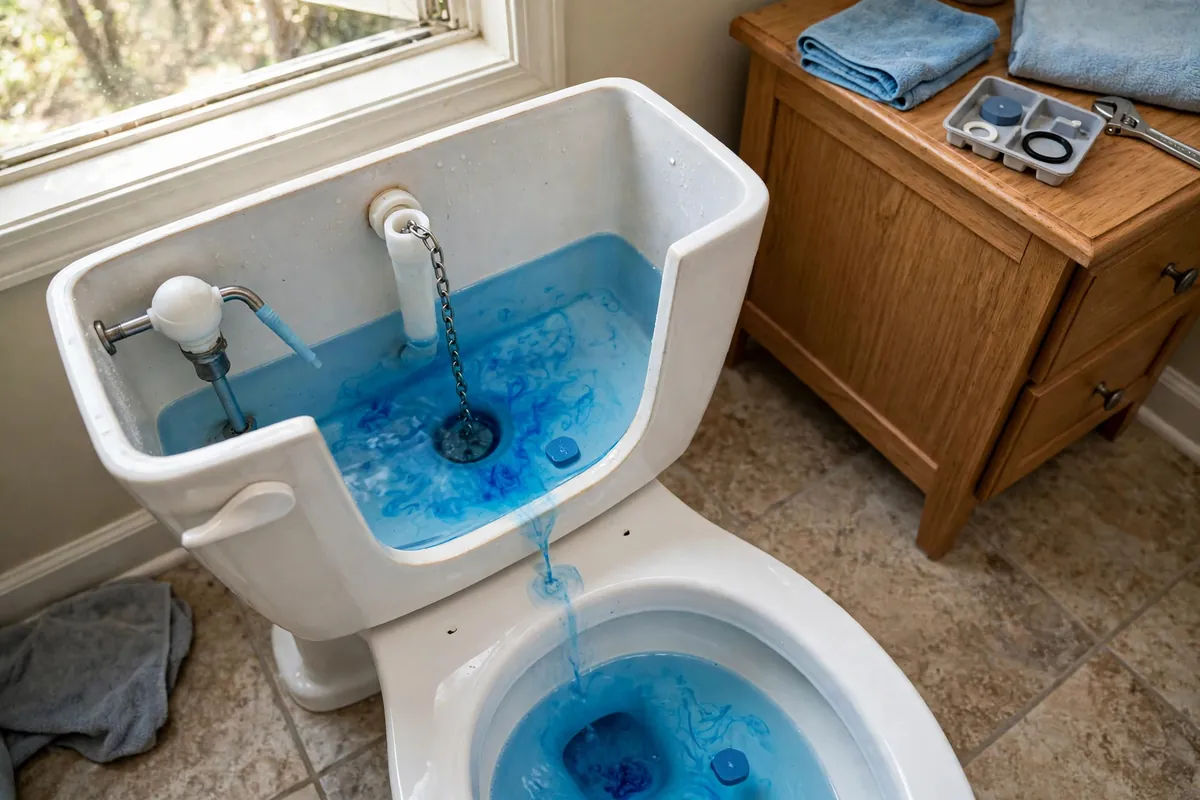
- Dye-test every toilet. Silent toilet leaks are the number one cause of surprise high bills — the full dye-test procedure takes minutes per toilet.
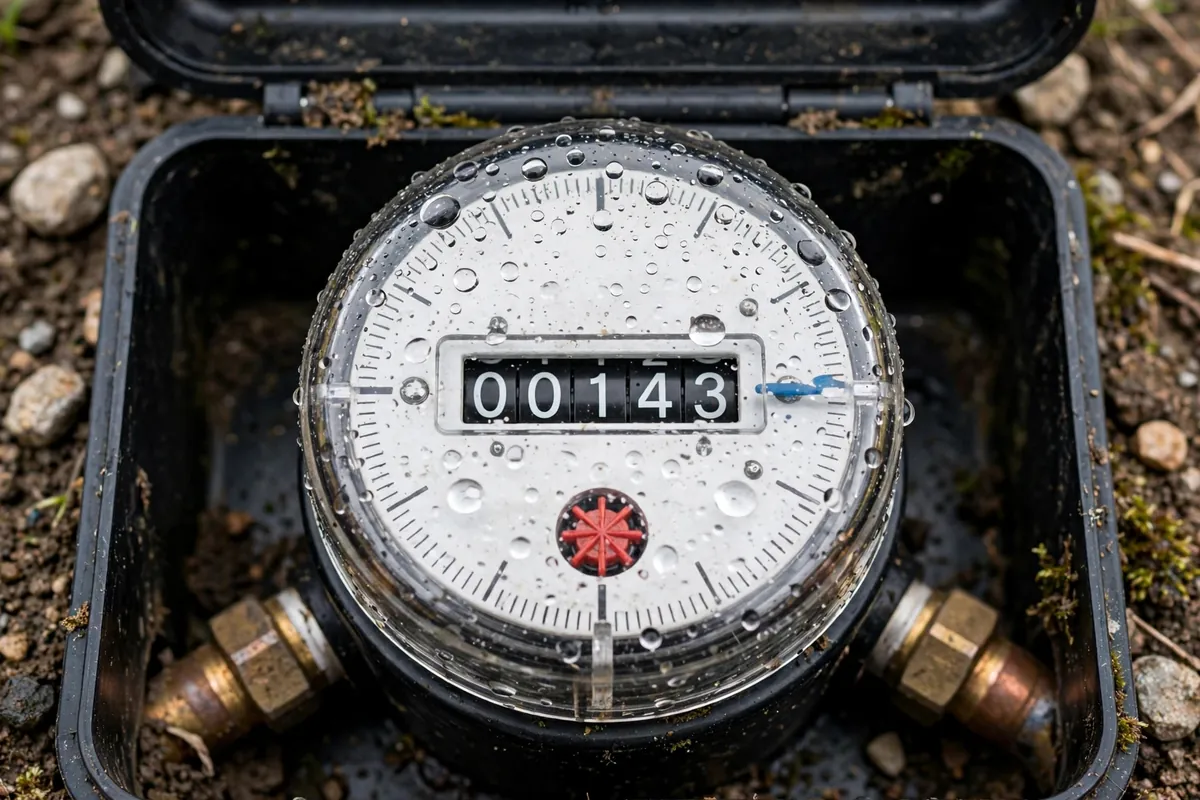
- Read your water meter. Our guide to reading your water meter for leaks shows the two-hour no-water test. A moving meter confirms water is flowing right now. If the meter spins with everything off, run that guide’s isolation test next.
- Walk the irrigation zones. In Leesburg's year-round watering climate, a stuck zone or broken head is a leading cause. Run each zone and watch for geysers, flooding, and heads that mist instead of spray.
- Check the pool. A pool losing water gets refilled by the autofill automatically — you pay for every gallon. Turn the autofill off for a day and mark the level.
- Look and listen inside. Check under sinks, around the water heater, behind toilets, and listen for hissing in walls with everything off.
- Walk the yard. Soggy patches, sunken soil, or one suspiciously lush strip of grass between the meter and the house suggests a service line leak.
Write down everything you find — and everything you ruled out. Both halves are useful.
Step 3: Contact The Water Utility
Leesburg homes are served by the City of Leesburg's water department, and they are the right call for anything about the bill or the meter itself:
- Ask for a reread. If your own meter reading does not match the number on the bill, ask the utility to re-read the meter. Have your reading, with the date and time, ready.
- Ask about estimated readings. If the bill was estimated, ask when the next actual reading happens and how the correction will appear.
- Ask about their leak process. Many utilities have a defined process for customers who find and fix a leak — which may include a bill review. Ask what documentation they need and what the process is, rather than assuming.
- Report a suspected meter-box issue. A flooded meter box, a damaged lid, or a meter that looks tampered with is the utility's to address.
Utility staff deal with high-bill calls all day. You will get further with your own meter readings, dates, and a calm description than with frustration. Note the name of everyone you speak with and the date — it matters if the issue takes more than one call.
One thing the utility will not do is search your property for the leak. Everything on your side of the meter is the homeowner's responsibility — which is what steps 2 and 4 are for.
Step 4: Get A Professional Leak Check
If your checks confirm water is flowing but you cannot find where — the meter moves with everything off, yet the house and yard show nothing — the leak is hidden: in a wall, under the slab, or in the buried service line. That is exactly what professional leak detection exists for.
A detection visit for a high-bill case typically includes:
- Meter and isolation verification — confirming your findings and splitting the search between inside and outside.
- Acoustic listening — pressurized leaks make noise, and sensitive microphones hear it through walls, floors, and soil.
- Pressure testing — individual lines tested to find the one that will not hold.
- Thermal imaging — hot-water leaks under slabs show as warm patterns on the floor.
- A clear report — where the leak is and what repair involves, in writing, which also serves as documentation for the utility.
Our high water bill leak detection in Leesburg follows this process, 24/7 with 30–45 minute arrival. A written diagnosis also gives you the paperwork utilities typically want to see. Call (352) 703-8206.
Step 5: Keep Records And Prevent A Repeat
Once the cause is found and fixed, a little paperwork protects you twice — with the utility and against the next surprise:
- Copies of the high bill and 3–6 prior bills
- Your own dated meter readings
- Notes from every home check (found and ruled out)
- Names and dates of utility calls
- The plumber's or detection company's written diagnosis
- Receipts for the repair
- A photo of the fixed issue, if visible
- Confirmation of any utility bill review, in writing
And to catch the next one early: glance at your meter's leak indicator monthly (it takes seconds), dye-test toilets once a year, and walk your irrigation zones each season. The cheapest leak is the one you find in week one instead of month three. For background on any step above, the related guides below go deeper.